Building & Indoor Environments
Understand the environmental conditions affecting your building or property.
Environmental concerns within buildings can affect occupants, construction activities, property transactions, regulatory obligations, and long-term ownership decisions. Moisture and mold, asbestos, lead, indoor air conditions, historical property uses, and other building materials may all require evaluation depending on the property and the work being planned.
Summit Environmental provides building and property investigations for commercial and residential owners, businesses, contractors, developers, property managers, and other clients who need clear information about an environmental condition and what should happen next.
Environmental conditions are often connected.
A mold concern may begin with a hidden moisture problem. Indoor air complaints may originate from ventilation, moisture, construction activity, chemical sources, or conditions elsewhere in the building. Renovation can uncover asbestos or lead-containing materials. A commercial property transaction may identify historical environmental concerns that require additional investigation.
Summit approaches these projects as investigations rather than isolated tests. We evaluate the property, identify the conditions that are relevant to the concern, use sampling and laboratory analysis where appropriate, and interpret the findings in the context of the building and the client’s objective.
The goal is to provide a clear understanding of what is present, why it matters, and what should happen next.
One property. A complete environmental view.
Summit connects building science, environmental due diligence, and hazardous-material assessment so each investigation is scoped around the property and the decision you need to make.
Mold & Moisture Investigations
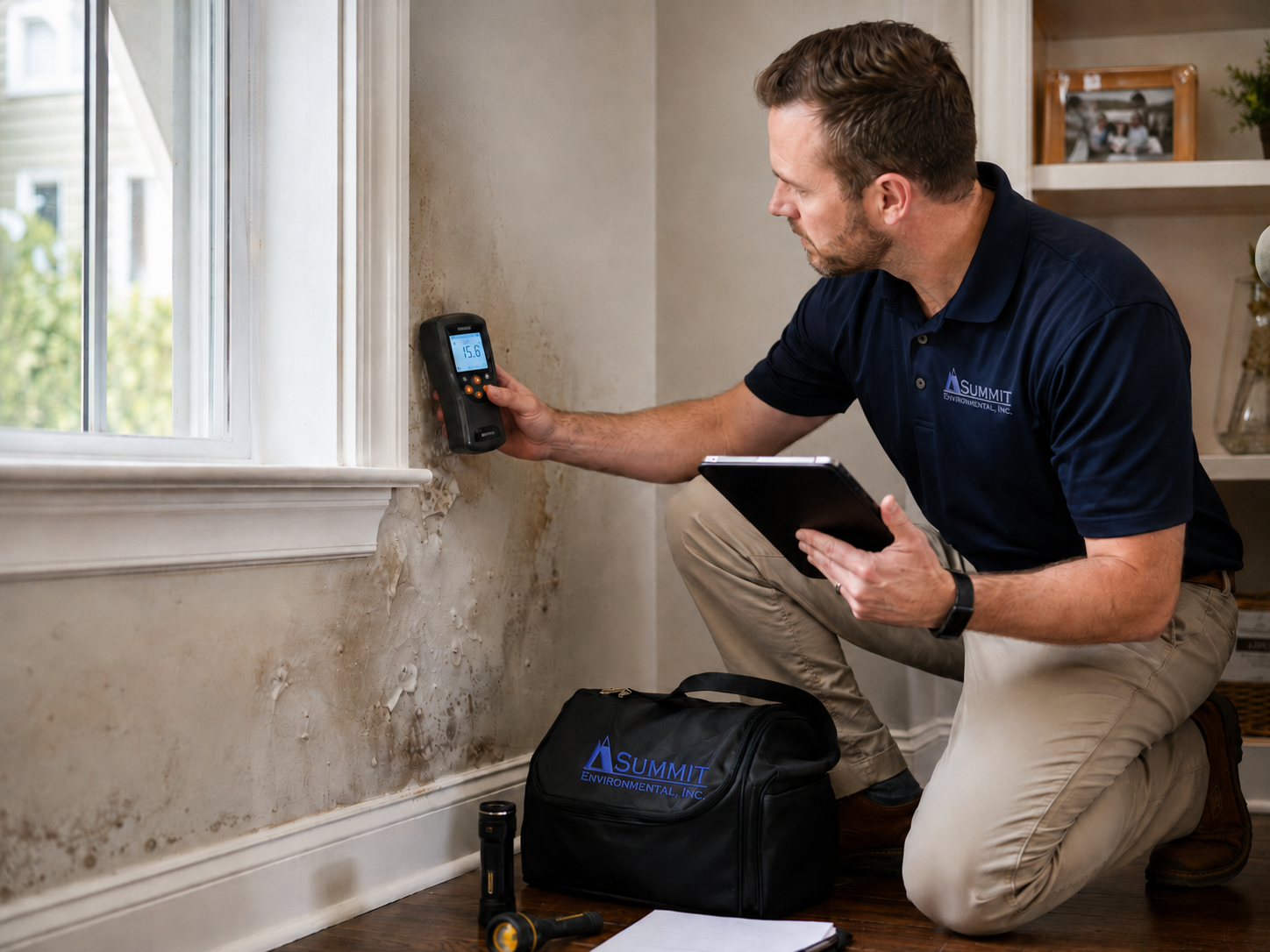
Mold growth is typically associated with an underlying moisture condition. Summit evaluates visible and suspected mold growth, water intrusion, moisture pathways, crawlspaces, attics, wall and flooring systems, and other building conditions that may contribute to microbial growth.
Moisture measurements and targeted sampling may be used where they provide useful information, with the investigation focused on understanding both the extent of the condition and its underlying source.
Indoor Air Quality Investigations
Indoor environmental concerns can involve odors, particulates, ventilation, humidity, VOCs, construction activity, chemical sources, or other conditions that may not be immediately visible.
Summit evaluates the reported concern in the context of the building and uses targeted measurements, sampling, monitoring, or laboratory analysis where appropriate to help identify likely sources and determine appropriate next steps.
Asbestos Surveys & Consulting
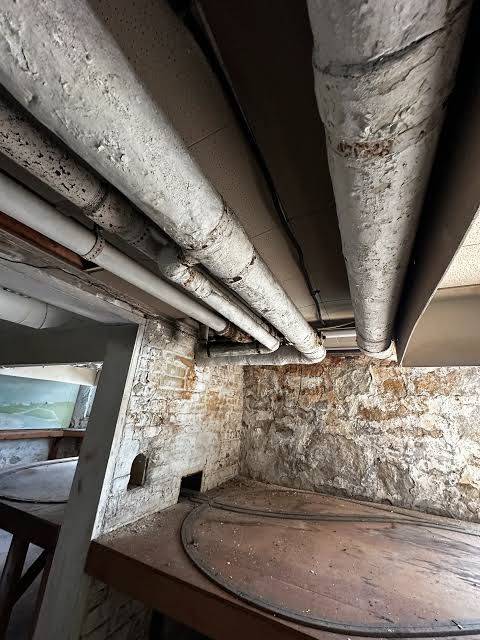
Asbestos-containing materials can affect renovation, demolition, maintenance, and redevelopment projects. Summit provides project-specific surveys, bulk-material sampling, documentation, abatement support, and post-work verification as appropriate.
The scope is developed around the materials present, the planned activity, and applicable project requirements so environmental concerns can be addressed before materials are disturbed.
Lead-Based Paint Assessment
Lead-containing coatings may require evaluation depending on the building, planned work, occupancy, and applicable project requirements. Summit provides project-specific lead-based paint assessment, sampling, documentation, and technical support for renovation, demolition, maintenance, and redevelopment planning.
Environmental Site Assessments & Property Due Diligence
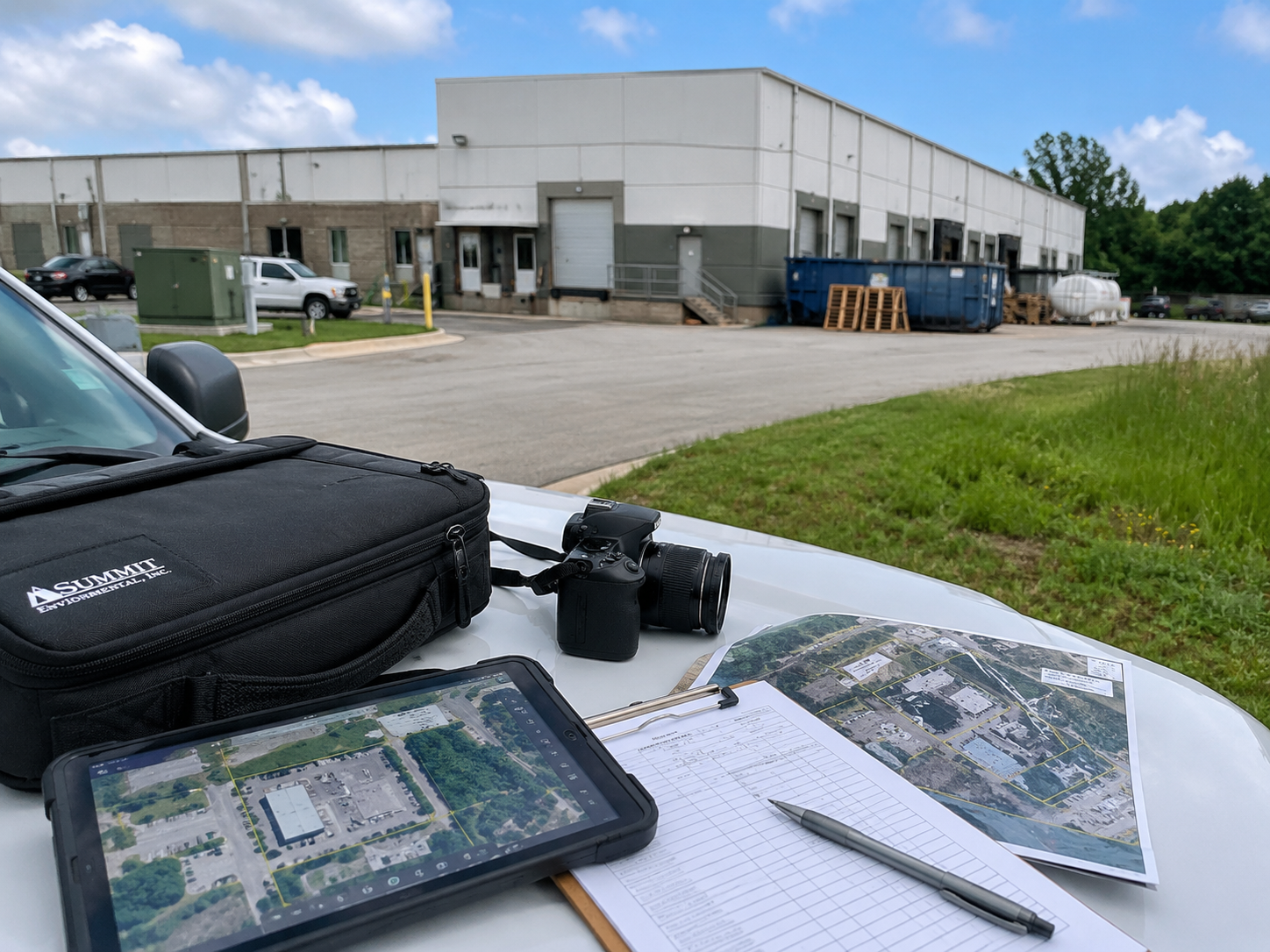
Environmental liabilities associated with a property may originate from activities that occurred decades before the current owner or tenant. Summit performs Phase I Environmental Site Assessments and related property due diligence to evaluate current and historical environmental conditions and determine whether additional investigation may be appropriate.
Where a concern warrants physical investigation, Summit can develop targeted Phase II work and transition the project into soil or groundwater characterization when necessary.
Hazardous Building Materials & Pre-Demolition Surveys
Demolition and major renovation may involve materials, equipment, and environmental concerns beyond asbestos and lead that require special handling, removal, recycling, characterization, or disposal.
Summit provides broader pre-demolition environmental assessment to identify relevant materials and help owners and contractors incorporate environmental requirements into project planning before work begins.
One project may involve several of these services.
Building environmental concerns rarely fit perfectly within one category. A water-damaged building may require mold investigation, indoor air evaluation, and asbestos or lead assessment before affected materials are removed. A redevelopment project may begin with a Phase I ESA, continue into hazardous-building-material assessment, and eventually require soil or groundwater investigation once demolition begins.
Summit’s broader environmental capabilities allow these issues to be evaluated within the same project rather than requiring the client to coordinate multiple unrelated consultants.
Where a concern extends beyond the building itself, Summit can connect the investigation directly with our Soil Assessment & Remediation, Groundwater Investigation, Surface Water Studies, and Air Quality & Emissions services.
Investigation first. Testing where it adds value.
Environmental testing is most useful when it answers a defined question. Summit begins by understanding the property, the reported concern, the planned work, and the decision the client needs to make. Field observations, measurements, sampling, laboratory analysis, historical research, and regulatory information are then selected based on what is necessary to understand the condition.
The result is intended to be practical: a clear explanation of what was evaluated, what was identified, what the findings mean, and what additional investigation or corrective action should be considered.
- Understand the property
- Define the concern
- Use targeted testing
- Interpret the findings
- Recommend next steps
Not sure which building assessment you need?
You do not need to know whether your situation requires a mold or moisture investigation, an asbestos survey, a Phase I ESA, indoor air evaluation, or another type of environmental assessment before contacting Summit.
Tell us what is happening with the property and what you are trying to accomplish. We can help determine the appropriate scope.